45 how to read japanese nutrition labels
Food Allergies in Japan: How to Read Japanese Food Labels The complete list of twenty additional allergens is as follows: 1. Abalone 2. Apple 3. Banana 4. Beef 5. Cashew Nut 6. Chicken 7. Gelatin 8. Kiwi 9. Mackerel 10. Matsutake mushroom 11. Orange 12. Peach 13. Pork 14. Salmon 15. Salmon roe 16. Sesame 17. Soy 18. Squid 19. Yam 20. Walnut › expert-advice › nutritionHow to Read a Dog Food Label - American Kennel Club Nov 30, 2020 · All pet food labels follow roughly the same format: Product and brand name or unique identifier. Quantity in terms of product weight, liquid measure, or count, depending on the formulation of the ...
How To Read a Japanese Nutrition Label - YouTube This was something I wanted to know, too, so I just uploaded a video so it'll help some people along the way. Ever wanted to know what some of the basic nut...

How to read japanese nutrition labels
en.wikipedia.org › wiki › Laundry_symbolLaundry symbol - Wikipedia A laundry symbol, also called a care symbol, is a pictogram indicating the manufacturer's suggestions as to methods of washing, drying, dry-cleaning and ironing clothing. ... How to read seafood labels in Japan - Japan Living Guide You often see the lables of "生食用" (for raw food), "刺身用" (for sashimi), "加熱用" (for heating), "焼き魚用" (for grill) on seafood packaging in Japanese supermarkets. Here we explain the differences when purchasing the perfect seafood for your meal. For raw food (Namashokuyou) This lable literally means that you can eat it raw. › regulatory-information › search-fdaGuidance for Industry: Food Labeling Guide | FDA Questions concerning the labeling of food products may be directed to the Food Labeling and Standards Staff (HFS-820), Office of Nutrition, Labeling, and Dietary Supplements, Center for Food ...
How to read japanese nutrition labels. Reading Food Labels (for Parents) - Humana - Ohio The number of calories that's listed on the food label indicates how many calories are in one serving. Percent Daily Values Percent daily value is most useful for seeing whether a food is high or low in nutrients: A food with 5% or less of a nutrient is low in that nutrient. A food with 10%-19% of a nutrient is a good source of that nutrient. › vitamins › aiGOLDENSEAL: Overview, Uses, Side Effects, Precautions ... - WebMD Goldenseal (Hydrastis canadensis) is an herb in the buttercup family. The dried root is very commonly used in supplements in the US. Goldenseal contains berberine, which might have effects against ... Japanese Supermarket Guide: Must-Know Phrases, Food Label Breakdown ... In Japan, it's pretty easy to find regular cow milk (牛乳), soy milk (豆乳), and almond milk (アーモンドミルク). Cow milk in Japan comes in a wide variety, from those fortified with iron (鉄) or calcium (カルシウム), to low-fat products (低脂肪). To check exactly how much fat your milk has, look out for the fat content label (乳脂肪分). How to Read Japanese Nutrition Labels - Japan Living Guide To this end, you should check the amount of carbs and sugar contained in your food and beverages. On a nutrition label, "carbohydrate" means the sum of "sugar" and "dietary fiber". Sugars Sugars (糖質, toshitsu) are contained in cereals, potatoes, rice, sugar, etc. They are nutrients which are our energy sources.
The easiest way to decipher nutrition labels - Noom Fiber: The average diet is fiber-deficient. Fiber amounts are always located beneath carbohydrates on nutrition labels. Fiber helps regulate bowel movements, as well as cholesterol and blood sugar levels. Women should aim for 20-30 grams per day, while men should aim for 30-40 grams. Vitamins: Most Americans do not get enough iron, calcium, or ... › recipe › 20461Pancakes I Recipe | Allrecipes Beautiful. I added 1 tsp vanilla, and had read some reviews that said to scale back the milk. I did, and ended up using 2/3 cup plus 2 tablespoons and 2 teaspoons to be the consistency that I personally prefer. Thick fluffy delicious pancakes. Thanks for the recipe! The Ultimate Guide to Reading Food Labels in Japan Apr 25, 2015 - How to read and understand food and nutrition labels in Japan. Apr 25, 2015 - How to read and understand food and nutrition labels in Japan. ... Well, today it is. But it wasn't always one of the Japanese colors. The Japanese people could always see the color green (o. Jadayah Spencer. Apartment Color Study. Eurotrip. Munich ... Reading Nutritional Labels in Japan vs the US - Kokoro Care Packages The macronutrients included on Japanese nutritional labels are as follows: エネルギー (enerugī) translates literally to "energy" and refers to calories. This one is easy to identify because the number is followed by kcal. たんぱく質 (tanpakushitsu) is equivalent to protein.
Food Allergies in Japan: How to Enjoy Traveling Safely with a Food ... Under Japanese law, most food packaging of a certain size must be labeled. Ingredients are typically listed on the reverse or side of a package. Look for the phrase 原材料名 - "product ingredients" - to start reading for allergens. › article › all-about-coconut-flourWhat Is Coconut Flour and How Do You Use It? | Allrecipes Apr 15, 2016 · Read the label and make sure the package you're purchasing lists only coconut as its sole ingredient. No sugar, flavorings, or fillers. If gluten is a concern, make sure the label states the flour was produced in a gluten-free facility. Tokyo Guide: How To Read Japanese Food Labels Micronutrients are usually expressed using English letters, numbers and katakana so should be pretty easy to understand. The main difference is that many labels, especially in the US, measure in percent of daily recommended values, whereas Japan does it in straight milligrams. Generally with micronutrients the more there are the better. English translation of Japanese food label (soy milk) | Reading food ... How to read and understand food and nutrition labels in Japan. S Surviving in Japan Japan Guides Peaches Blueberry Seeds Mountain Japanese Vegetables Fruit Health Japanese Bayberries also known as myrica rubra, mountain peaches, and yangmei. Sweet, a little sour, with seeds in the middle. K Kylene O'Connor Okinawan Market Foods Go To Japan
Minimalist Japanese Branding | Упаковка
Quick Guide: Know And Understand Food Allergies In Japan These are typically the "emergency reaction" foods, that can cause immediate anaphylaxis and should be avoided at all costs by those with allergies. えび ebi shrimp. かに kani crab. 小麦 komugi wheat. そば (蕎麦) soba buckwheat. 卵 tamago egg/egg derivatives. 乳 / 牛乳 nyu/gyunyu milk/dairy derivatives. 落花生 rakkasei ...

GardenCuizine: October 2012
How to read a label | NSW Food Authority The ingredients list and Nutrition Information Panel tell us about allergens, additives, fats and the quantity of basic nutrients. What's on a food label Learn about the different sections of a food label. Country of origin The country or countries where a food was grown, manufactured or packaged must appear on the label. Directions for use

What Are The Benefits Of Non-Dairy Diet by foodbuff | ifood.tv
Reading Japanese Food Labels | JustBento Reading Japanese Food Labels. Submitted by anon. on Sat, 2009-09-05 07:24. I live in Japan and have trouble reading and understanding everything on food labels. Do you know if partially hydrogenated oils are used in Japanese foods, such as packaged cookies? Do you know what the word for it or "trans fat" is in Japanese or how to write it?
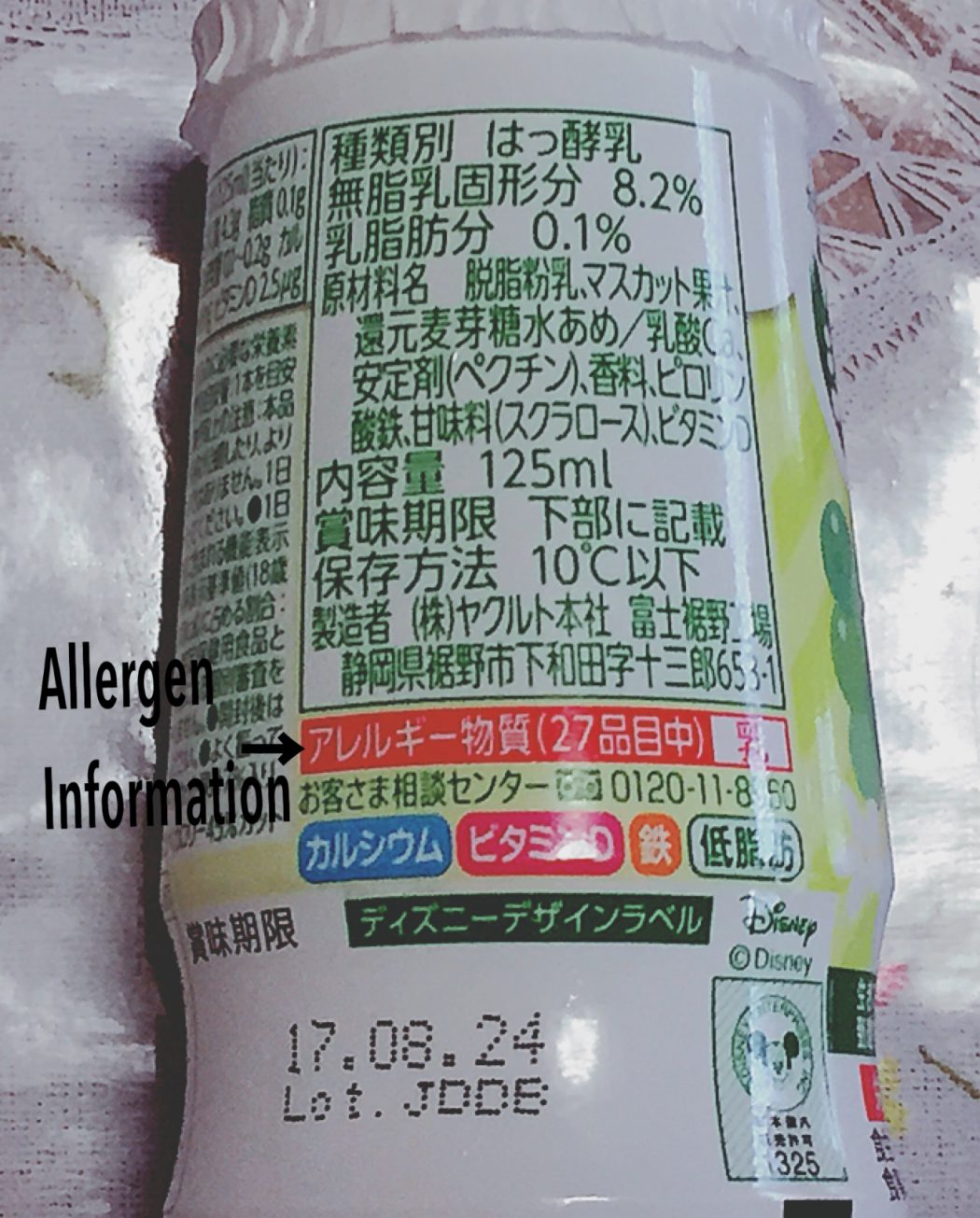
Reading Japanese Food Labels - Allergens and Tips
Reading Japanese Food Labels - Allergens and Tips Food labels are 食品表示 (しょくひんひょうじ shokuhin hyou ji) in Japanese. Let's take a look at a food label before going on into the various parts of Japanese food labels and how to read them. Below is the label to a popular brand of barley (mugi) tea. Lots of text here, but if you look closely the label actually consists of 2 parts.

Reading Japanese Food Labels | Nutrition Facts Label | Food Allergy
HOW TO: Find Allergy-Friendly Food in Japan 1. Prepackaged processed food (chips, orange juice cartons, cookies, etc.) 2. Canned or Jarred processed food (jam, baby food, etc.) If a product contains a miniscule amount of one of the seven allergens it will be marked; however, if it contains just a few milligrams per kilogram it will not be marked.
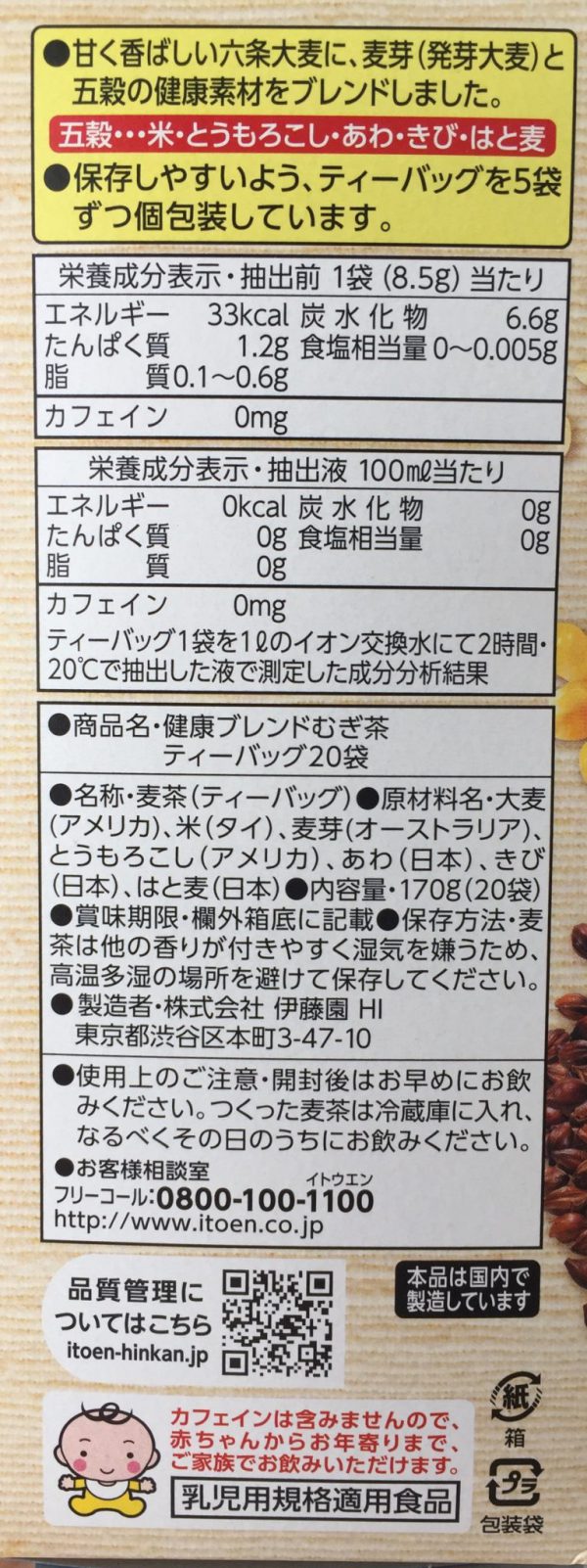
Reading Japanese Food Labels - Allergens and Tips
How to Read a Label for a Sesame-Free Diet - Food Allergy Research ... candy, Halvah, Japanese snack mix and rice cakes) Soups Sushi Tempeh Turkish cake Vegetarian burgers Sesame may also be found in non-food items, including: Cosmetics (including soaps and creams) Medications Nutritional supplements Pet foods In non-food items, the scientific name for sesame, Sesamum indicum, may be on the label.

Requirements for Food Packaging & Legislation in Japan 2013
Food labelling | New Zealand Government Help us improve govt.nz by doing a short survey. The Ministry for Primary Industries website has information about food labelling. Find out what each part of the label means and what to do if you find a problem with a food label. How to read food labels. Last updated 19 January 2022.

Ultimate Guide to How to Read Sake Labels | SAKETALK | Sake, Japanese sake, Best sake
The Ultimate Guide to Reading Food Labels in Japan Most labels similar to this type will then list total protein (たん白質), fat ( 脂質), carbohydrates (炭水化物), and sodium (ナトリウム), and some will list sugar, but many count sugar under the "carbohydrate" category and don't always split them so you can see how much of the carbs are sugars. It varies though.

The Ultimate Guide to Reading Food Labels in Japan
Japanese Decoded: Nutrition Labels - Savvy Tokyo On the top left, we see the nutritional information (栄養成分表, eiyou seibun you), which contains all the basic nutrition facts about the product, such as grams of carbohydrates, protein, and fat. On the middle left, above the bar code, we see a list of common allergens, with those contained in these particular rice crackers highlighted in black.
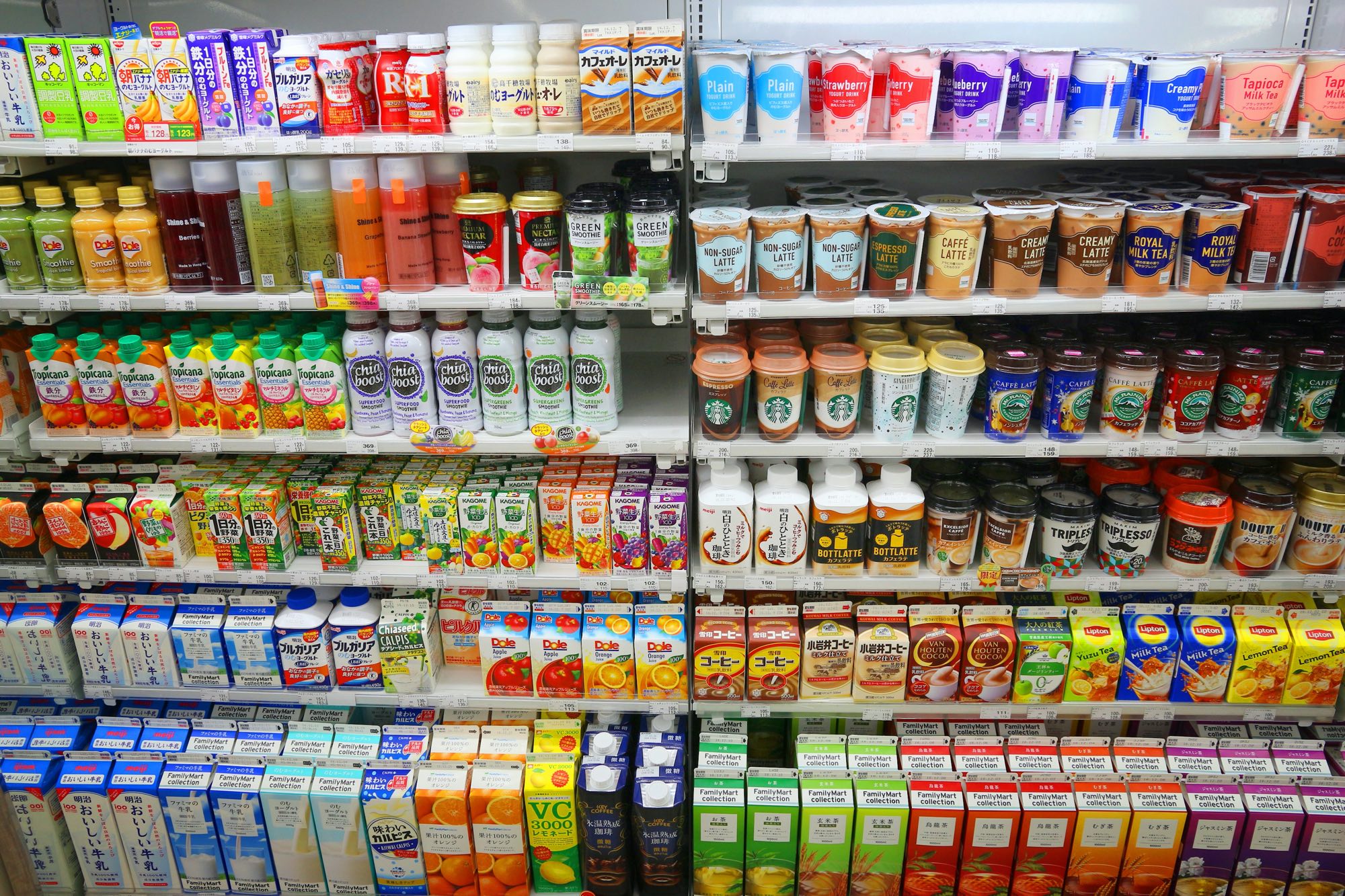
Japanese Decoded: Nutrition Labels - Savvy Tokyo
Understanding Food Labels - Consumer Health News | HealthDay The "See it, Do it, Teach it" program has three sections. First, people are taught how to read nutrition labels on packaged food items using a government guide. Next, participants do simple math based on the food labels to learn how the nutrition label information relates to their own daily intake of calories and nutrients.

Beauty therapy courses online | Finder
Understanding of sodium content labeled on food packages by Japanese ... The Health Promotion Act defines the order and units of nutrients to be printed on food labels as follows: 1, total energy in kcal; 2, protein in grams; 3, total fat in grams; 4, carbohydrate in ...
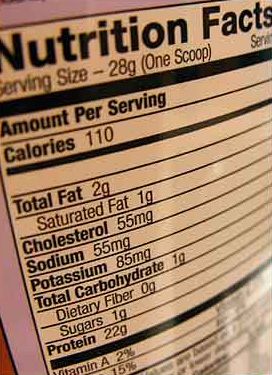
Manufacturers urged to use nutrition labels -- china.org.cn
How to Read Japanese Food Label | Coto Language Academy Guide to Your Japanese Food Labels Guide to your Japanese Bathtubs Vocabulary: エネルギー (enerugi-) Energy たんぱく質 (tanpakushitsu) Protein 脂質 (shishitsu) Fat 炭水化物 (tansuikabutsu) Carbohydrate 糖質 (toushitsu) Sugar 食物繊維 (shokubutsuseni) Fiber 食塩 (shokuen) Sodium 低カロリー (teikarori-) Low Calorie 高たんぱく質 (koutanpakushitsu) High Protein 無糖 (mutou) No Sugar

OnlineLabels Clip Art - Grandma Reading
How To Read Sake Label - Steamy Kitchen Recipes Giveaways On the front, you'll see "Takasago" on the left bottle. That happens to be the brewery's name. If you're not familiar with Japanese or brewery names, this might be difficult to spot. But what's important on the front of the label is the GRADE of sake. For premium, artisan sake, look for the words "Junmai" or "Junmai Daiginjo.".

number9dream - alexgoughdesign
How to Read a Food Label: A Healthy Skeptic's Guide to the Buzzwords About a decade ago, Mr. Byrne joined forces with another California cowboy, Chris Donati, to form a network of like-minded ranchers across the American West. "We named our business SunFed Ranch ...
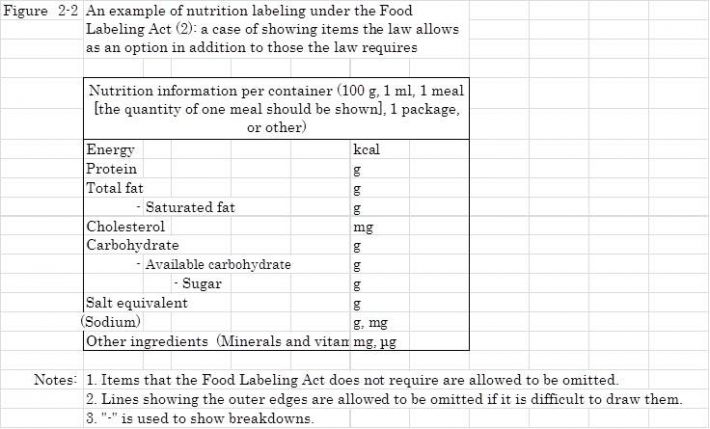
A Review of Food Nutrition Labeling in Japan | FFTC Agricultural Policy Platform (FFTC-AP)
› regulatory-information › search-fdaGuidance for Industry: Food Labeling Guide | FDA Questions concerning the labeling of food products may be directed to the Food Labeling and Standards Staff (HFS-820), Office of Nutrition, Labeling, and Dietary Supplements, Center for Food ...

Ja Chon - Dog Breeds - Characteristics, Feeding, Health and Insurance - PetPremium
How to read seafood labels in Japan - Japan Living Guide You often see the lables of "生食用" (for raw food), "刺身用" (for sashimi), "加熱用" (for heating), "焼き魚用" (for grill) on seafood packaging in Japanese supermarkets. Here we explain the differences when purchasing the perfect seafood for your meal. For raw food (Namashokuyou) This lable literally means that you can eat it raw.
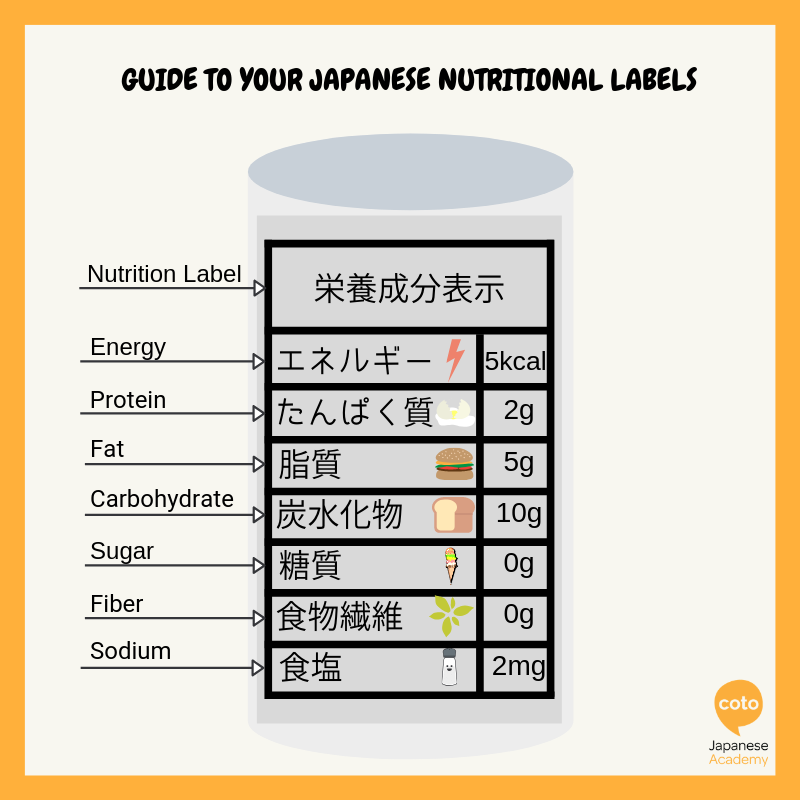
Guide to Your Japanese Food Label Vocabulary | Coto Japanese Academy
en.wikipedia.org › wiki › Laundry_symbolLaundry symbol - Wikipedia A laundry symbol, also called a care symbol, is a pictogram indicating the manufacturer's suggestions as to methods of washing, drying, dry-cleaning and ironing clothing. ...
Post a Comment for "45 how to read japanese nutrition labels"